Published: 02/06/2025 By Amanda Hunt
Exploring the Heritage and Vibrancy of Buckhurst Hill's Local Amenities
Nestled in the heart of Essex, Buckhurst Hill offers a fascinating blend of historical charm and modern-day allure, making it a captivating subject for both history enthusiasts and prospective homebuyers. From its origins as an agrarian landscape in the 15th century, this Essex town has undergone a remarkable transformation, evolving into a Victorian suburb with the arrival of the railway and affluent residents. This historical transformation is reflected in the elegant homes and local amenities that continue to attract those seeking a slice of heritage and vibrancy. In this exploration, we delve into the intricate tapestry of Buckhurst Hill history, uncovering how its past has shaped the vibrant community it is today.The Evolution of Buckhurst Hill
Buckhurst Hill's journey from a rural enclave to a thriving suburban community is a testament to the transformative power of progress. This section explores the pivotal moments that shaped the town's character, from its agrarian roots to its emergence as a Victorian suburb.From Agrarian Landscape to Suburb
Buckhurst Hill's transformation from an agrarian landscape to a suburban haven is a fascinating chapter in Essex town development. In the 15th century, the area was primarily farmland, dotted with scattered homesteads and lush greenery.As London's influence expanded, Buckhurst Hill began to attract those seeking respite from urban life. The 18th and early 19th centuries saw a gradual shift, with wealthy Londoners establishing country retreats in the area.
This transition laid the groundwork for the suburban development that would define Buckhurst Hill's future. The town's evolution reflects broader patterns of urban expansion and the changing relationship between city and countryside in England.
Railway Impact on Development
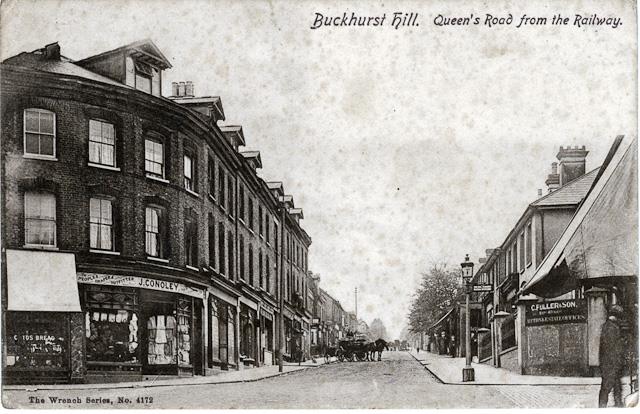
The arrival of the railway in Buckhurst Hill marked a turning point in the town's history, catalyzing its transformation into a Victorian suburb. The Eastern Counties Railway line, later part of the Great Eastern Railway, reached Buckhurst Hill in 1856.This new connectivity had a profound impact on the town's development:
- Population growth accelerated as commuting to London became feasible.
- New housing developments sprang up to accommodate the influx of residents.
- Local businesses flourished, catering to the needs of the growing community.
Affluent Residents and Their Influence
The influx of affluent residents played a crucial role in shaping Buckhurst Hill's character and amenities. Many of these newcomers were successful businessmen, professionals, and East India Company employees seeking a retreat from London's bustle.Their presence influenced the town in several ways:
- Architectural styles: Elegant Victorian and Edwardian homes became prevalent.
- Social institutions: New clubs, societies, and cultural venues were established.
- Local governance: Affluent residents often took active roles in town planning and development.
Local Amenities Reflecting Heritage
The local amenities of Buckhurst Hill serve as a bridge between its rich history and vibrant present. This section explores how the town's Victorian charm blends seamlessly with modern conveniences, creating a unique living experience for residents and visitors alike.Victorian Suburb Charm
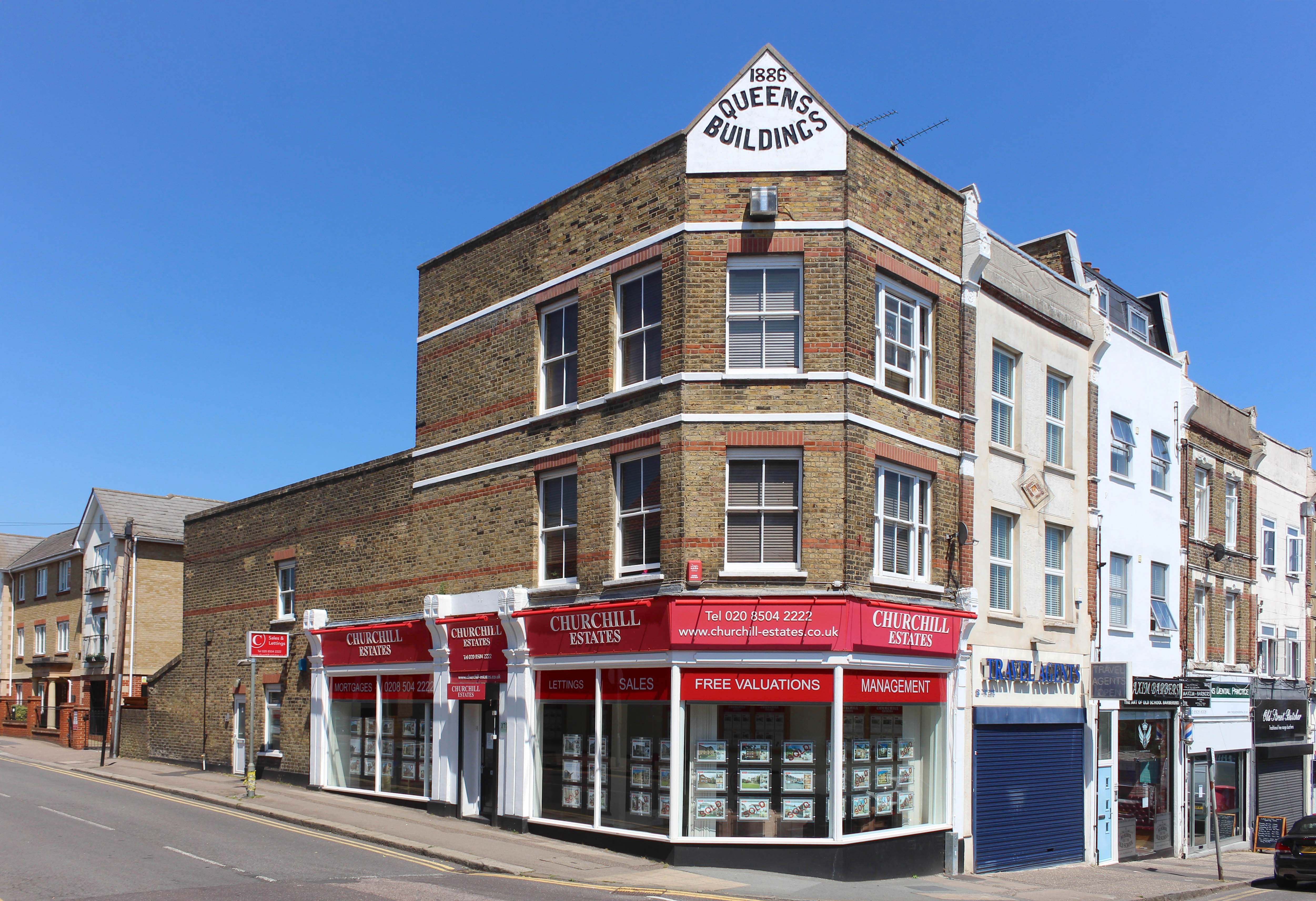
Buckhurst Hill's Victorian suburb charm is evident in its well-preserved architecture and carefully maintained public spaces. The town's streets are lined with elegant Victorian terraces and detached villas, many of which retain their original features.Local landmarks, such as St. John's Church, built in 1838, stand as testaments to the town's Victorian heritage. The church's Gothic Revival style is a prime example of the architectural trends that shaped Buckhurst Hill during this period.
The town's green spaces, including the picturesque Epping Forest on its doorstep, reflect the Victorian ideal of combining urban living with access to nature. This blend of built environment and natural beauty continues to be a defining feature of Buckhurst Hill.
Modern Vibrancy in Essex Town
While preserving its historical character, Buckhurst Hill has embraced modernity, offering residents a vibrant and contemporary lifestyle. The town center boasts a diverse range of shops, cafes, and restaurants, catering to modern tastes while respecting the area's heritage.Transport links have been continually improved, with the Central line providing quick access to London. This connectivity has attracted a new generation of residents, contributing to the town's dynamic atmosphere.
Community events and local initiatives showcase Buckhurst Hill's modern vibrancy, fostering a strong sense of belonging among residents. The town's ability to balance tradition with progress is key to its enduring appeal.
Historical Transformation and Its Legacy
The historical transformation of Buckhurst Hill has left an indelible mark on its present-day character. The town's journey from rural outpost to desirable suburb is reflected in its diverse architectural styles, ranging from Victorian terraces to modern developments.This legacy is evident in:
- The preservation of historical buildings and landmarks
- The continuation of long-standing community traditions
- The adaptive reuse of older structures for modern purposes