Published: 24/09/2025 By Amanda Hunt
Buckhurst Hill, a gem in Essex local history, offers young only rural beauty and urban convenience, but a rich history. This charming village holds secrets that span centuries, from historical landmarks to pivotal events shaping its timeline. Curious about what makes Buckhurst Hill a heritage site worth exploring? Let's step back in time and see what Buckhurst Hill history reveals.
Exploring Buckhurst Hill History
Buckhurst Hill's story is a captivating journey through time, showcasing the evolution of a small rural settlement into a thriving community. This section delves into the origins and early development of this Essex gem.Origins of Buckhurst Hill
The name "Buckhurst Hill" has roots in Anglo-Saxon times, meaning "a hill covered with beech trees." This area was originally part of the ancient Epping Forest, a royal hunting ground. In the 11th century, the land was owned by Harold Godwinson, who later became King Harold II. After the Norman Conquest in 1066, William the Conqueror granted the area to his half-brother, Odo, Bishop of Bayeux.The earliest recorded mention of Buckhurst Hill dates back to 1135, when it was listed as "La Bocherste," signifying its importance even in medieval times.
Early Development and Growth
Buckhurst Hill remained a small hamlet until the 19th century. The arrival of the railway in 1856 marked a turning point in its development. The Buckhurst Hill Residents' Association notes that this new transportation link to London sparked rapid growth. Wealthy city workers began building large homes in the area, transforming it from a rural outpost to a desirable suburb.By 1881, the population had grown to 4,000, and Buckhurst Hill was officially recognized as a separate parish in 1933, marking its emergence as a distinct community.
Historical Landmarks in Buckhurst Hill
Buckhurst Hill boasts a rich tapestry of historical landmarks that stand as testaments to its past. This section highlights some of the most notable heritage sites and iconic structures that define the area's character.Notable Heritage Sites
Buckhurst Hill Parish Council recognizes several significant heritage locations. The Queen's Road conservation area, established in 1969, preserves the Victorian and Edwardian architectural charm.St John's Church, consecrated in 1838, stands as a prime example of early Victorian church architecture. Its distinctive tower is visible from many parts of the village.
The Roebuck Hotel, dating back to the 18th century, served as a coaching inn on the London to Cambridge road. It remains a popular local landmark, blending historical significance with modern hospitality.
Iconic Buildings and Structures
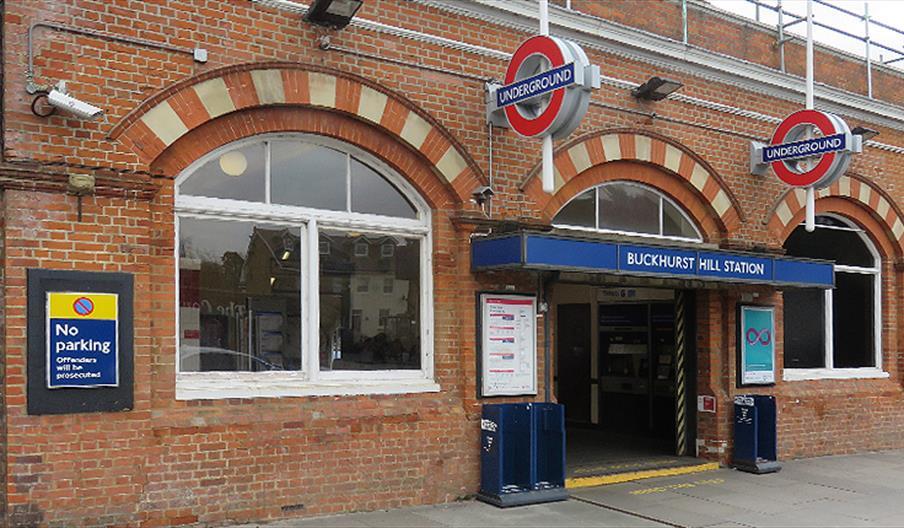
The Buckhurst Hill Underground Station, opened in 1856, is not just a transport hub but a historical landmark. Its original Victorian building has been well-preserved, offering a glimpse into the area's railway heritage.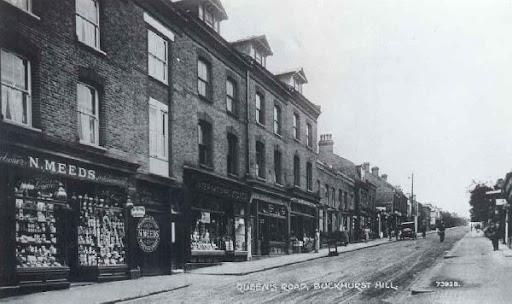 Lopping Hall, built in 1884, stands as a symbol of local resistance to the enclosure of Epping Forest. It was constructed using compensation money paid to "loppers" - those who lost their wood-gathering rights.
The Old School House on Palmerston Road, dating from 1838, now serves as a community center. Its preservation highlights Buckhurst Hill's commitment to maintaining its educational heritage.
Buckhurst Hill Timeline and Events
The history of Buckhurst Hill is marked by a series of significant events that have shaped its character and development. This section explores key moments in the town's timeline and their impact on Essex local history.Significant Historical Events
In 1856, the opening of the railway station marked a turning point in Buckhurst Hill's history, as noted by Chris Jesty. This event triggered rapid population growth and urban development.The 1878 Epping Forest Act was crucial for preserving the natural beauty surrounding Buckhurst Hill. It protected the forest from further enclosure, ensuring it remained a public space.
During World War II, Buckhurst Hill played a role in London's defence. The area hosted anti-aircraft guns and was occasionally targeted by German bombers, leaving its mark on local memory.
In 1996, Buckhurst Hill officially became part of Epping Forest District, solidifying its administrative status within Essex.
Impact on Essex Local History
Buckhurst Hill's transformation from a rural hamlet to a suburban town reflects broader changes in Essex during the 19th and 20th centuries.Its preservation of Epping Forest set a precedent for environmental conservation in Essex. This action influenced similar efforts across the county, contributing to Essex's green spaces.
The town's growth as a commuter suburb for London workers exemplified a trend seen across Essex, reshaping the county's relationship with the capital.
Buckhurst Hill's local governance evolution, from parish to urban district to part of Epping Forest District, mirrors the administrative changes experienced by many Essex communities in the 20th century.